
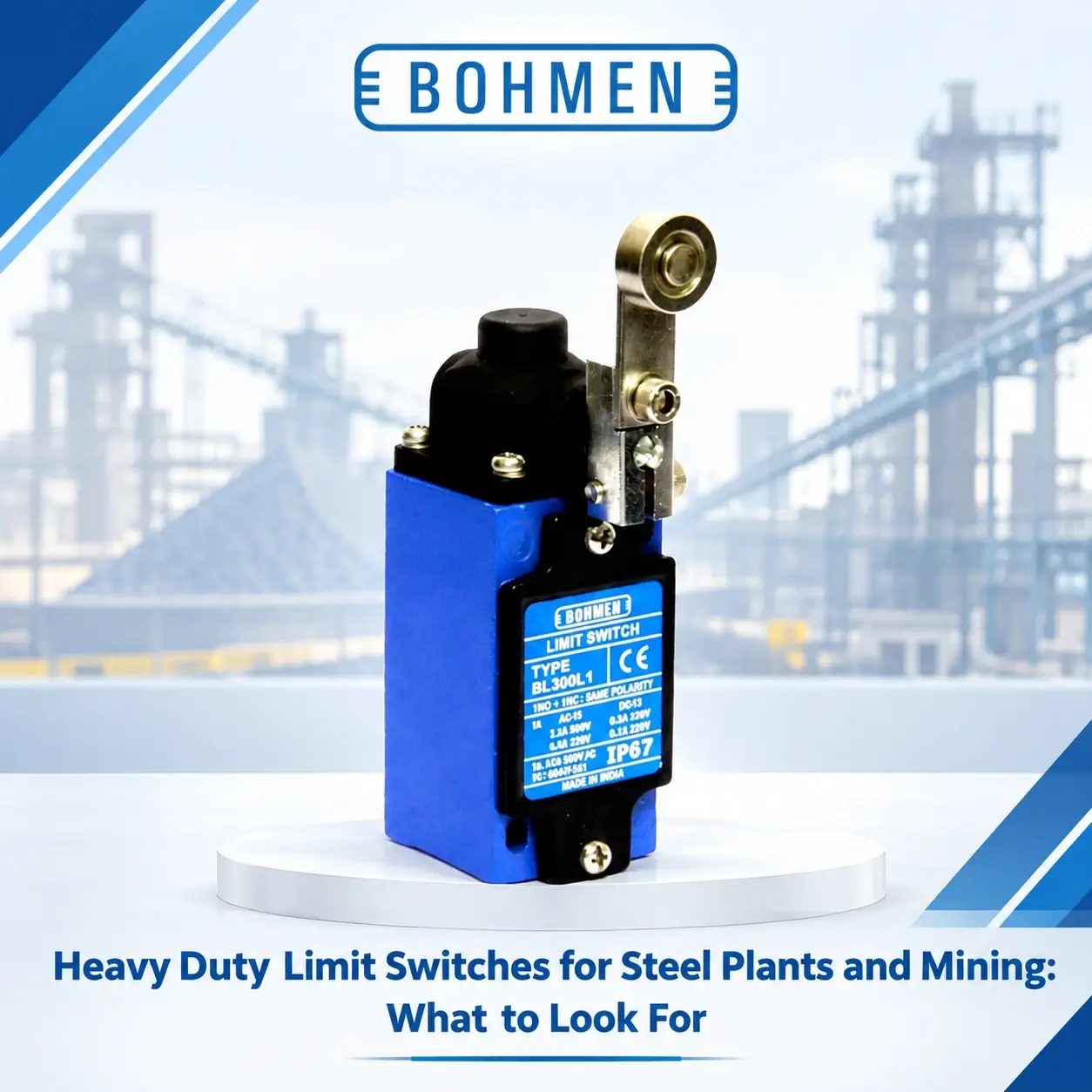
In a steel plant or mining sector a limit switch failure doesn’t just stop one machine.It can stop a conveyor line and trip a crusher. Also shut down an entire process and wait for the maintenance team to find the fault. In these environments, the switch is a small part with a big job. So choosing the wrong one is an expensive mistake.
This guide covers what actually matters when choosing a heavy duty limit switch for steel plants and mining operations, based on the conditions these switches face every day.
Why Do Steel Plants and Mines Need Heavy Duty Limit Switches?
A normal limit switch is built for clean, low stress environments like a light packaging line. Steel plants and mines are the opposite. Switches here face constant vibration, metal dust, extreme heat, and physical impact from moving equipment.
A heavy duty limit switch is constructed with a more durable enclosure, sealed contacts, and internal parts rated to survive these conditions without failing early or giving false signals.
What Makes an Environment “Harsh” for a Limit Switch?
A harsh environment is one in which equipment is repeatedly exposed to one or more of the following:
- Fine dust and coal particles that might enter unsealed enclosures
- Water, oil, or coolant spray during operation or wash down
- Constant vibration from crushers, conveyors and heavy machinery
- Temperature variations from furnace areas or outdoor mining sites
- Physical impact of vehicle movement or material handling
If your plant has two or more of these conditions, a standard limit switch will fail prematurely. So a heavy duty unit is the right choice.
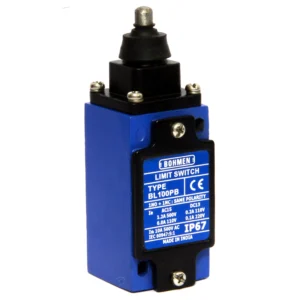
What Makes an Environment “Harsh” for a Limit Switch?
Is the Enclosure Rugged Enough for Dust and Impact?
The enclosure is the first line to check.Look for a metal diecast case, not a plastic one. The metal diecast is able to withstand impact from falling debris and repeated vibration common in conveyor systems and crushers.
Example: A limit switch mounted near a crusher discharge chute needs to survive both dust ingress and occasional impact from falling material.It has a diecast metal body. But a plastic-bodied switch will usually crack within months.
What IP Rating Do You Actually Need?
IP rating tells you how well a switch resists dust and water. This is the most important spec to check. Also the most commonly misunderstood.
IP65 protects against dust and low-pressure water jets. Suitable for indoor areas with occasional spray.
IP67 protects against dust and temporary immersion in water. Suitable for wash-down areas or outdoor exposure.</p
Actionable step: If your switch sits outdoors, near a wash-down station, or below floor level where water can pool, choose IP67. If it is indoors with only dust exposure, IP65 is usually enough.
Snap Action or Slow Action, Which Suits Heavy Machinery?
- Snap action switches change contact state quickly and consistently. This makes it reliable for high-speed or repetitive machinery like conveyors.
- Slow action switches change state gradually. This is suitable for slower-moving equipment where precise timing matters more than speed.
Example: A conveyor belt safety switch benefits from snap action because it needs a fast, definite signal the moment the belt is out of position. A door interlock on a control cabinet can work fine with slow action since speed is not critical.
Does the Switch Handle Vibration Without False Tripping?
This is one of the most overlooked checks. A switch that works fine in testing can start giving false signals once it is mounted on a vibrating crusher or mill. Ask the manufacturer directly whether the switch is tested for vibration resistance, and at what frequency and amplitude. If they cannot answer with numbers, treat that as a warning sign.
What Cable Entry and Wiring Setup Fits Your Panel?
Cable entry size and thread type need to match your existing conduit and panel design. A mismatch here means extra fittings, adapters, or rewiring. This adds extra cost and installation time. Confirm the cable entry size (for example, 3/4″ BSC or M20 x 1.5mm) before ordering.
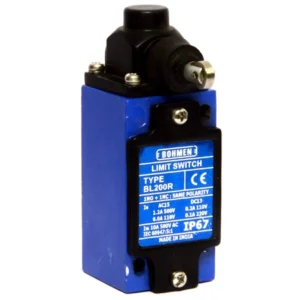
How Do Heavy Duty Limit Switches Compare for Steel and Mining Use?
| Feature | Standard Limit Switch | Heavy Duty Limit Switch |
|---|---|---|
| Enclosure | Plastic or light metal | Metal diecast |
| IP Rating | IP40 to IP54 | IP65 to IP67 |
| Vibration Resistance | Limited | Tested for continuous vibration |
| Typical Lifespan in Harsh Conditions | 3 to 6 months | 18 months or longer |
| Best Suited For | Light industry, indoor use | Steel plants, mining, foundries, cement |
How Should You Choose the Right Limit Switch for Your Plant?
A Simple 4 Step Selection Process
- List the actual conditions the switch will face such as dust, water, vibration, temperature, and impact.
- Match the IP rating to the worst condition on that list, not the average condition.
- Confirm the contact action (snap or slow) based on how fast the machine moves.
- Check cable entry and mounting compatibility with your existing panel before placing the order.
Following these four steps in order avoids the most common mistake.So select a switch based on price first and specs second.
Choosing the Right Partner, Not Just the Right Switch
Specs matter, but so does who you buy from. In steel plants and mines, a failed switch often needs replacing fast, so lead time and local support matter as much as the datasheet. Look for a manufacturer who can confirm stock availability. Also offer quick replacement shipping, and answer technical questions about vibration and IP testing directly, rather than pointing you to a generic catalog.
Bohmen India manufactures heavy duty limit switches, including the metal diecast BL Series built for mining, steel plants, and foundries with IP67 protection and snap action contacts. Explore the full range of limit switch series to compare specifications and find the right match for your plant.
Frequently Asked Questions
What is a heavy duty limit switch?
A heavy duty limit switch is an electro-mechanical switch built with a reinforced enclosure, sealed contacts, and vibration-resistant construction, designed to work reliably in harsh industrial environments like steel plants and mines.
What IP rating is best for mining and steel plant environments?
IP67 is best for outdoor mining sites, wash-down areas, or anywhere water exposure more. IP65 is sufficient for indoor areas with dust but limited water contact.
How often should heavy duty limit switches be inspected or replaced?
In harsh conditions, inspect switches every 3 to 6 months for wear on the actuator arm and enclosure seal. Replacement timing depends on usage, but a well-built heavy duty switch typically lasts 18 months or more before replacement is needed.
Can the same limit switch work in both dusty and wet conditions?
Yes, if it carries an IP67 rating. This rating covers both complete dust protection and temporary water immersion, making it suitable for environments where both conditions occur.
What is the difference between snap action and slow action for heavy machinery?
Snap action gives a fast, definite signal change and suits high-speed or safety-critical applications like conveyors. Slow action changes gradually and suits slower equipment where timing precision matters more than speed.
Are heavy duty limit switches available with custom actuators for specific machines?
Yes, most manufacturers offer actuator options like roller lever, plunger, or rotary types, which can be matched to the specific motion of your machine rather than forcing a single standard design.